Tips
How to tell real fur from faux fur: 5 simple tests
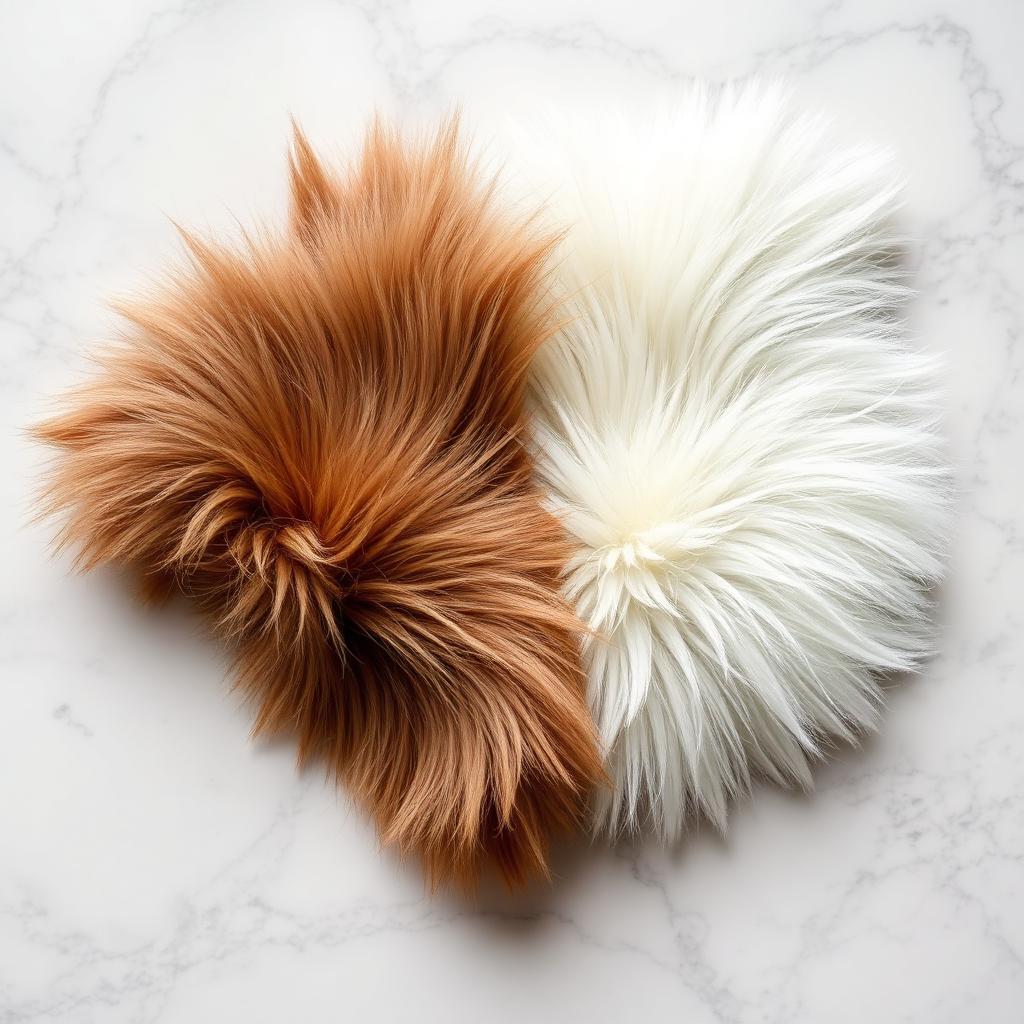
Fur is back in fashion. Here are 5 proven tricks to reliably tell real fur from faux — at a glance or at first touch.
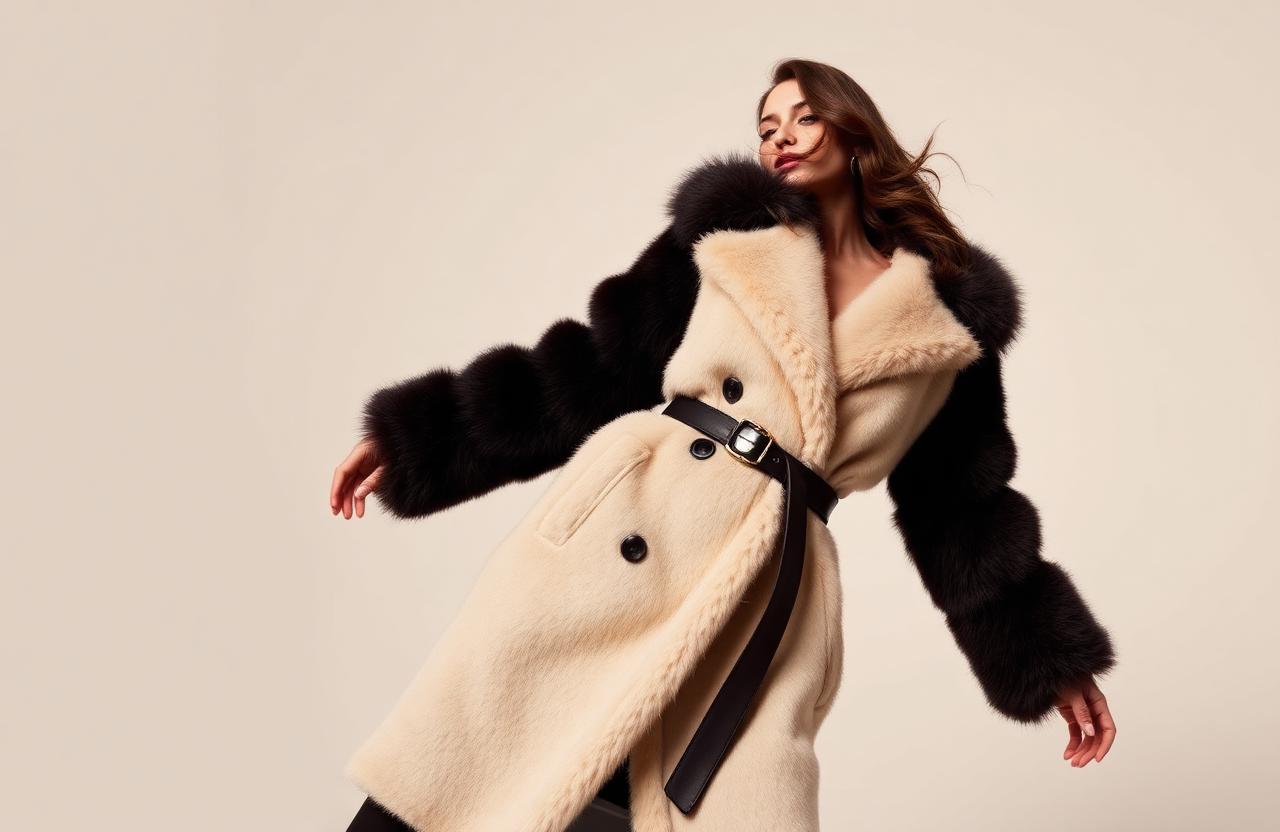
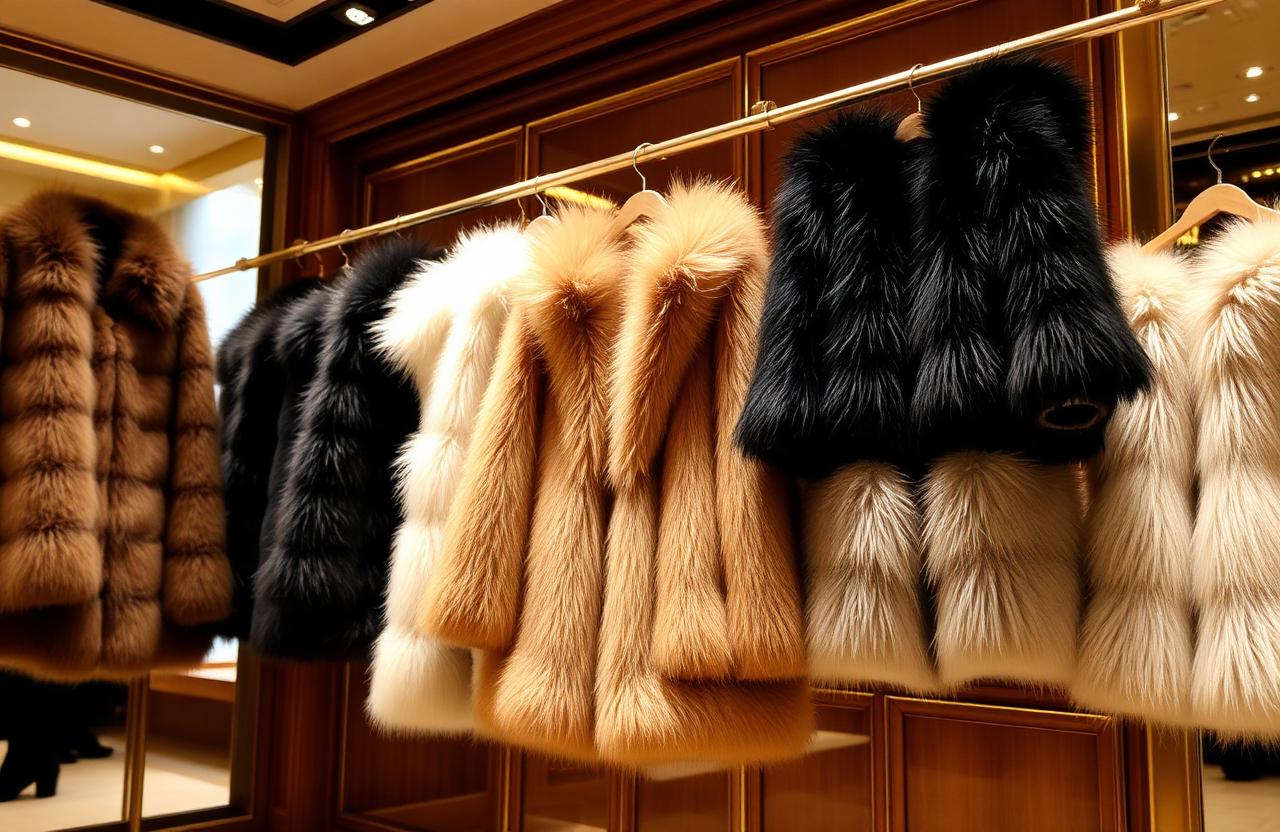
Fur is back in fashion — decorating collars, hoods and entire coats. But when shopping, it's not always obvious whether you're looking at real or faux fur. The difference isn't only about price, but also quality, longevity and care. Here are proven tricks to tell real fur from faux at a glance — or at first touch.
1. Look at the base of the hairs. The most reliable method is to part the fur and see what the hairs grow from. Real fur grows directly out of hide — you'll see a fine leather layer, often with natural texture and irregularity. Faux fur is stitched into a textile or knitted backing that looks like fabric or mesh. This test is the fastest and most reliable.
2. Try the burn test (carefully!). If you can test a small, hidden tuft (e.g. a trimmed end), gently bring it close to a candle flame. Real fur burns like hair — it smells of singed hair and leaves a powdery, crumbly ash. Faux fur (synthetic fibres) usually melts, hardens into beads and smells of burnt plastic. Only try this on a small, hidden part with maximum caution.
3. Feel it thoroughly. Texture and touch reveal a lot. Real fur is typically softer, denser at the roots, and the hairs vary slightly in length and thickness — they look naturally uneven. Faux fur is often more uniform; hairs are almost identical in length and structure, which looks "too perfect".
4. Check the price and the label. It sounds simple, but it matters. Real-fur items are significantly more expensive because of the craftsmanship involved. Reputable sellers are legally required to list the material composition on the label — look for "real leather", "sheepskin" or, conversely, "100% polyester", "acrylic" or "modacrylic fibre" for synthetic variants.
5. Blow into the fur. A simple but effective trick. On real fur, the hairs spread apart unevenly when you blow and slowly return to place — they react naturally. On faux fur, the hairs move uniformly and snap back almost identically because they share the same length and thickness.
Why does this matter? The difference between real and faux fur isn't just aesthetics. Real fur (e.g. from sheepskin) is more durable, regulates temperature naturally and lasts for years with proper care. Faux fur, in turn, is a great choice for those who prefer alternatives without animal materials.
Whichever you choose, it's important to know exactly what you're buying — and now you know how to find out. Looking for pieces made from genuine sheepskin? Browse our current jackets and accessories, or reach out through our contact form if you'd like help choosing.